local seo rural storage
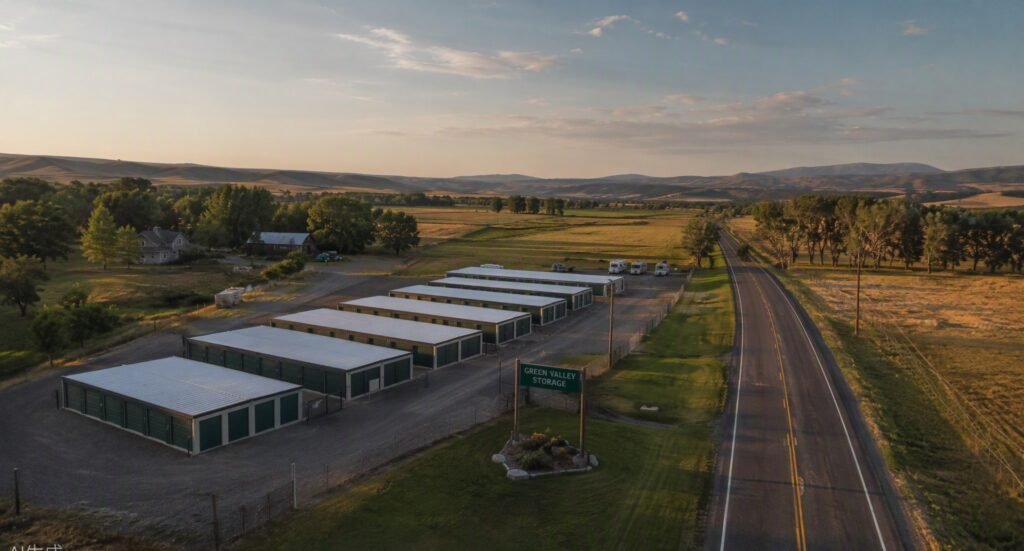
Top 7 Local SEO for Rural Storage Facilities Ideas: Own Every Search in Your Small Market Quick Navigation Claim your map territory: Optimize Google Business Profile for a wide rural service area Win the “near me” battle: Rank in the Map Pack even with a small population base Build reviews in a small town: Turn a small customer pool into a big reputation Create hyperlocal content: Become the storage authority for every nearby town Fix your citations: Make NAP consistency work in markets with messy rural addresses Get rural backlinks: Leverage local relationships big-city competitors don’t have Track what matters: Measure leads and rentals, not vanity traffic Why Generic Local SEO Advice Fails Rural Storage Owners Most local SEO advice is written for businesses fighting over 500,000-person metro areas. “Target these 40 keywords! Build 200 citations! Post daily!” That playbook assumes you’re competing against dozens of facilities within a five-mile radius. Our self storage SEO services are built specifically for storage operators — rural, suburban, and urban alike. But you? You might be the only climate-controlled facility within 30 miles. Or one of three facilities serving a county of 18,000 people. The game is completely different — and frankly, easier to win if you know the rules. Here’s the rural reality: search volume is lower, but so is competition, and intent is dramatically higher. Someone in a metro searching “storage units near me” has 15 options and is comparison shopping. Someone in rural Tennessee searching the same thing has maybe three options — and they’re ready to rent from whoever shows up first and looks most trustworthy. That means local SEO for rural storage facilities isn’t about outspending competitors. It’s about being thorough where everyone else is lazy. Small markets reward the operator who does the fundamentals completely. Let’s walk through exactly how to do it. 1. Optimize Your Google Business Profile for a Wide Rural Service Area Why? Your Google Business Profile (GBP) is your digital storefront, and in a rural market it’s often the ONLY storefront a renter sees before calling. In metro markets, the Map Pack is a knife fight. In rural markets, it’s often a ghost town — and the facility with the most complete profile wins by default. Research shows that complete Google Business Profiles get roughly 7x more clicks than incomplete ones, and businesses with photos receive about 42% more direction requests. In a small market where every rental counts, that’s the difference between 90% occupancy and 75%. The psychology here is simple: rural customers have fewer options, so trust signals matter more. When someone sees your facility with 47 reviews, real photos, and current hours — and your competitor’s profile hasn’t been touched since 2019 — the decision is already made. Here’s how to implement this: Claim and verify your profile if you haven’t. Use your exact legal business name — no keyword stuffing (“Bob’s Storage” not “Bob’s Storage Units Cheap RV Parking”). Choose the right categories: Primary = “Self-storage facility.” Add secondary categories like “RV storage facility,” “Boat storage facility,” or “Moving supply store” if applicable. In rural markets, boat/RV storage is often a bigger revenue driver than units — capture those searches. Set your service area strategically. Even as a physical facility, you can list the towns you serve. Include every town within a 30-45 minute drive. Upload 15+ real photos: units, gates, office, signage, drone shots of the property. Rural renters drive farther — they want to see the facility is legitimate before committing to the trip. Fill every attribute: 24-hour access, fenced, gated, video surveillance, online payments. These answer rural renters’ biggest fear: “Is this place safe, or is it just a field with a fence?” Self Storage Pro Tip: In rural markets, post to your GBP weekly — a unit availability update, a seasonal tip (“Storing your boat for winter? Here’s what to drain first”), or a community photo. Google rewards active profiles, and in a small market, even modest activity puts you miles ahead of dormant competitors. For the full GBP setup walkthrough, see GBP optimization for self storage facilities — every field, photo type, and category explained step by step. Takeaway: A complete, active GBP in a rural market is often a first-place trophy waiting to be claimed — most of your competitors never bother. 2. Win the Map Pack for “Storage Units Near Me” Searches Why? The Map Pack captures the majority of clicks for local intent searches — in small markets, showing up there can mean capturing nearly every ready-to-rent customer. Industry data suggests the Map Pack pulls 40-50% of clicks for “near me” searches, and in rural areas, where fewer organic results exist, that share can climb even higher. The good news: Google’s local algorithm weighs three things — relevance, distance, and prominence — and in a rural market, you can dominate relevance and prominence quickly because so few competitors are even trying. Think of it like a county fair pie contest with only three entries. You don’t need to be the best baker in the state — you need to clearly be the best of three. Google’s ranking factors work the same way. Here’s how to implement this: Embed your exact keywords on your website homepage: “Self storage in [Town], [State]” and “storage units near [Nearby Town]” in your H1, title tag, and first paragraph. Don’t be vague — Google matches your site language to the searcher’s language. Keep your NAP (name, address, phone) identical everywhere — website, GBP, Facebook, directories. More on this in strategy #5. Earn reviews mentioning location and use cases. “Great RV storage just outside Millerville” is SEO gold because it reinforces relevance for exactly the searches you want. Add a Google Maps embed to your contact page and footer. It confirms your location to Google and helps rural renters gauge drive time. Respond to every review — Google’s documentation confirms responses improve your local presence, and in a small town, owners who respond personally stand out.